
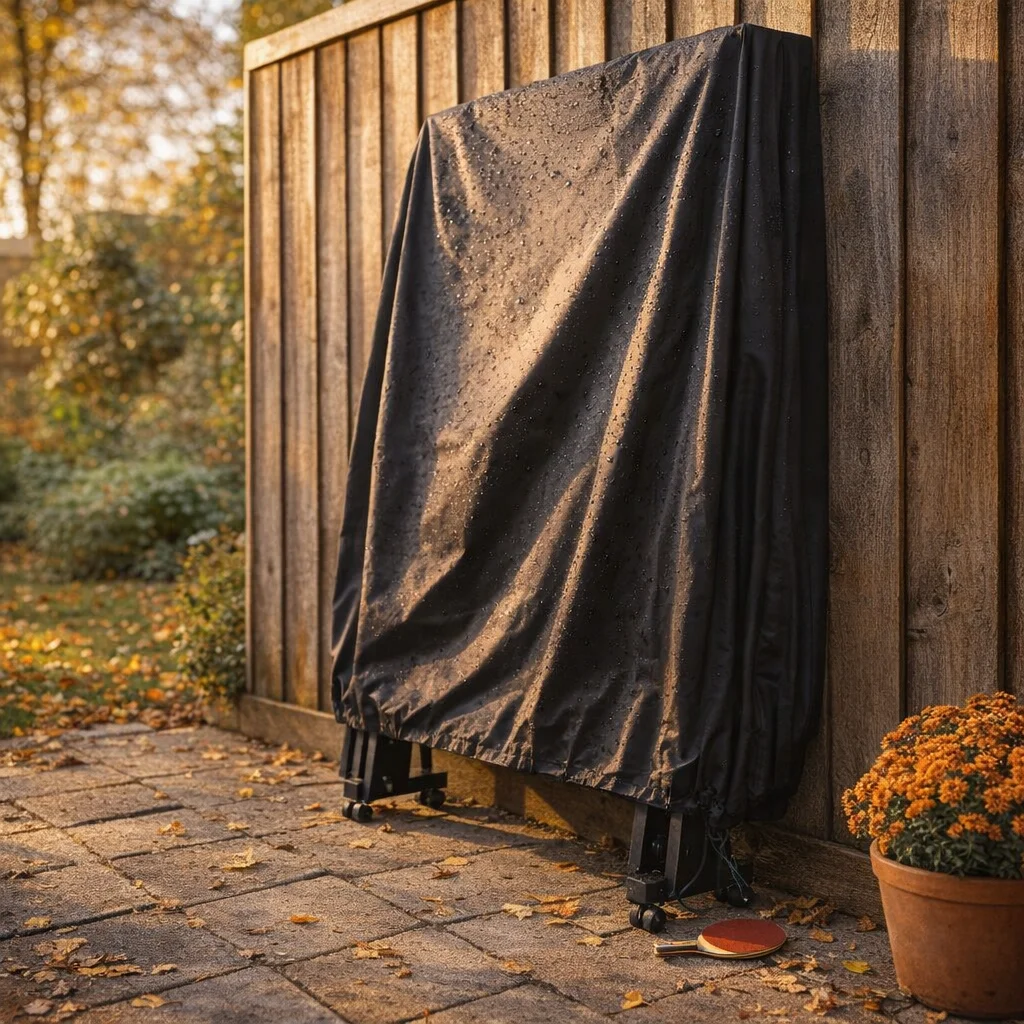
If you've ever walked out to your backyard ready for a match, only to find your ping pong table warped, faded, or covered in mildew, you already know the frustration. Learning how to store a ping pong table outdoor properly is one of the most overlooked parts of owning one, and it's also one of the most important. A quality table is a real investment, and without the right storage habits, that investment can deteriorate in a single season.
This guide covers everything you need to know: from preparing your table before storage to choosing the right protection, handling seasonal weather changes, and avoiding the most common mistakes backyard ping pong owners make. Whether your table lives on a patio, in a garage corner, or under a pergola, this is the resource you need to keep it playing like new for years to come.
Why Outdoor Storage Matters More Than You Think
Most people assume that because a ping pong table is built for outdoor use, it can handle anything nature throws at it. That's only partially true. Outdoor-rated tables are designed to withstand occasional exposure, but prolonged, unprotected contact with the elements is a different story entirely.
The Real Cost of Ignoring Proper Storage
Think about what your table faces over a typical year: summer UV rays bleaching the surface, autumn leaves trapping moisture against the frame, winter frost expanding through tiny cracks, and spring rains soaking into seams. Each of these alone can cause damage. Together, they can shorten a table's lifespan from a decade to just a few years.
Warping is the most common outcome, and it's devastating because once the playing surface buckles, the table is essentially unplayable. Balls bounce unpredictably, competitive play becomes impossible, and there's no practical way to reverse the damage. Prevention is the only real solution.
What You're Actually Protecting
It's not just the playing surface you need to worry about. The undercarriage, hinges, wheels, and net posts are all vulnerable to rust and corrosion. Even tables marketed as "rust-resistant" can develop surface oxidation over time if moisture is allowed to sit on metal components. Protecting the whole table, not just the top, is what separates smart storage from a false sense of security.
Expert Tip: Think of outdoor table storage the same way you'd think about caring for outdoor furniture. You wouldn't leave a quality teak dining set uncovered through a harsh winter. Your ping pong table deserves the same consideration.
Assess Your Outdoor Space Before You Store
Before you move a single thing, take a walk around your outdoor area and evaluate what you're working with. The right storage strategy depends entirely on your specific environment, and what works for a covered patio in Georgia looks very different from an exposed backyard deck in Minnesota.
Covered vs. Uncovered Areas
If you have a covered patio, pergola, or carport nearby, that's your first line of defense. A roof overhead dramatically reduces direct rain and sun exposure, which are the two biggest threats to outdoor tables. Even a partial cover makes a significant difference compared to leaving a table completely exposed on an open lawn.
However, covered doesn't mean fully protected. Wind-driven rain, humidity, and condensation can still reach a table stored under a roof. You still need additional protection, but you're starting from a much better position.
Sun Exposure and Wind Patterns
Spend a few minutes observing where the sun hits your outdoor space throughout the day. South-facing areas tend to get the most direct sun, which accelerates UV damage and surface fading. If your storage spot gets full afternoon sun, that's a detail worth factoring into your protection plan.
Wind matters too. A table stored in a wind tunnel between two fences or walls is at higher risk of tipping or having its cover blown off. Knowing your yard's natural airflow helps you choose the most sheltered position available and pick protection that's secured properly against gusts.
Drainage and Ground Conditions
Where water pools after rain is just as important as where it falls. Storing a table on a low spot that collects standing water means the legs and underframe are sitting in moisture for extended periods. If possible, choose a slightly elevated or well-drained surface. A concrete patio or pavers are ideal. Grass and soil, especially in shaded areas, retain moisture and can accelerate corrosion at the base of the legs.
Step-by-Step: How to Store a Ping Pong Table Outdoor
Once you've evaluated your space, it's time to actually set up your storage routine. This process works whether you're putting the table away for a single week or battening down the hatches for an entire winter.
Step 1: Clean the Table Thoroughly
Never store a dirty table. Dust, pollen, bird droppings, and leaf debris all trap moisture against the surface and can cause staining, mold growth, and surface deterioration. Use a soft, damp cloth to wipe down the entire playing surface, then let it air dry completely before moving on. Pay special attention to the net posts and any metal hardware, wiping away any visible grime or moisture.
If there are any sticky spots or stubborn marks, a mild soap solution works well. Just avoid anything abrasive that could scratch the playing surface. Rinse with a clean damp cloth and dry thoroughly.
Step 2: Fold and Secure the Table
Most outdoor ping pong tables are designed to fold in half for storage. Fold the table according to the manufacturer's instructions, making sure both halves are locked securely in the upright position if that's the design. Check that any locking mechanisms or safety clips are engaged. A table that folds unexpectedly during storage or transport is a safety hazard and a damage risk.
Remove the net and posts if possible. These smaller components are often the first things to rust or degrade, and storing them separately indoors, even in a shed or garage, extends their life significantly.
Step 3: Position the Table Strategically
Move the table to your chosen storage spot. Aim for the most sheltered position available: close to a wall or fence to block wind, under a roof overhang if possible, and on a flat, well-drained surface. If the table has wheels, lock them once it's in position. If it doesn't, consider placing rubber feet or small furniture pads under the legs to prevent direct contact with concrete, which can hold moisture and cause corrosion over time.
Step 4: Cover It Properly
This is the single most impactful thing you can do for long-term outdoor storage. A purpose-built cover designed for ping pong tables keeps out rain, UV rays, dust, bird droppings, and debris. It's the difference between a table that looks and plays like new after winter and one that needs replacing.
A quality cover like the Pondex Ping Pong Table Cover wraps the entire table securely, staying in place even in windy conditions. It creates a protective barrier that handles whatever the season brings, so you can stop worrying about what's happening to your table every time a storm rolls through.
Make sure the cover is fully secured before you walk away. A cover that blows off in the first strong wind isn't protecting anything.
Protecting Your Table Against Every Type of Weather
Different seasons bring different threats. Understanding what each season does to an outdoor ping pong table helps you stay one step ahead and make smart decisions about when to add extra protection and when to ease off.
Summer: Heat and UV Damage
Summer feels like the safest season for outdoor tables because you're actually using them, but it carries real risks. Prolonged UV exposure bleaches the playing surface, causing the color to fade and the texture to degrade. On very hot days, direct sunlight can cause the surface to expand, and if the table is in a position where one half heats faster than the other, uneven expansion can contribute to warping over time.
Even in summer, cover the table when it's not in use. This is especially important during heat waves or extended periods of direct afternoon sun. It takes only a few minutes to pull a cover on and off, and those few minutes add up to years of extended table life.
Autumn and Winter: Moisture and Freeze-Thaw Cycles
This is when outdoor storage becomes genuinely critical. Autumn brings falling leaves that trap moisture, and winter brings the most destructive force of all: the freeze-thaw cycle. Water seeps into tiny surface imperfections, freezes and expands, then thaws and contracts. Repeat that process dozens of times over a winter and you get cracks, bubbles, and delamination that no amount of care can reverse.
For regions with harsh winters, consider whether bringing the table into a garage or shed for the coldest months is feasible. If it has to stay outside, a heavy-duty waterproof cover is non-negotiable. Make sure it's fully sealed around the base so wind can't lift it and expose the table to snow or freezing rain.
Spring: Humidity and Mold Risk
Spring is a sneaky season. Temperatures are rising, rain is frequent, and humidity levels are often at their highest. This combination creates ideal conditions for mold and mildew to grow on any surface that stays damp. If your table has been covered all winter and moisture has gotten inside the cover, spring is when you'll notice the damage.
At the start of spring, remove the cover on a dry day, wipe the table down completely, and let it air out before re-covering. Check the cover itself for any tears or areas where water may have pooled. A quick inspection at the season change takes fifteen minutes and can save you from discovering a mold problem months later.
Long-Term vs. Short-Term Outdoor Storage
Not all storage situations are the same. Putting the table away after a weekend game is a very different scenario from preparing it to sit untouched for five months. Your approach should reflect the timeframe.
Short-Term Storage: Between Sessions
For day-to-day or week-to-week storage, the priority is speed and convenience without sacrificing protection. A good cover that goes on and comes off easily encourages you to actually use it consistently, which is the whole point. You don't need to go through a full cleaning routine every time, but a quick wipe-down before covering is always a good habit.
For short-term storage, leaving the table partially folded or in a compact upright position is fine as long as it's stable and covered. Just make sure it's locked and won't tip in wind or if someone bumps into it.
Long-Term Storage: Seasonal or Extended Periods
When you're putting the table away for a full season, the process deserves more attention. Do the full clean, remove the net and posts, inspect the frame for any rust spots or damage that should be addressed before storage, and apply a protective cover that's rated for extended outdoor exposure.
If you can bring the table into a shed, garage, or basement for the winter, do it. Even a basic indoor space offers dramatically better protection than the best outdoor cover. But if indoor storage isn't an option, a purpose-built, waterproof table cover is your best tool. The Pondex Ping Pong Table Cover is designed specifically for this scenario, offering heavy-duty protection that keeps the table safe through extended outdoor storage without you having to check on it constantly.
Key Takeaway: The longer the storage period, the more thorough your preparation should be. A five-minute cover-up is fine for overnight. A five-month winter storage needs a proper process.
Common Mistakes That Ruin Outdoor Ping Pong Tables
Most table damage is preventable. The same mistakes come up again and again, and knowing what they are means you can sidestep them entirely.
Mistake 1: Using a Generic Tarp
A blue plastic tarp from the hardware store might seem like a budget-friendly solution, but it creates as many problems as it solves. Generic tarps don't fit snugly, which means wind gets underneath and the cover flaps against the table surface, potentially scratching it. They also tend to trap condensation underneath, creating a humid microclimate that's ideal for mold growth. A cover designed specifically for ping pong tables fits properly, breathes appropriately, and stays in place.
Mistake 2: Storing a Wet or Dirty Table
Covering a table that's already wet or covered in debris is one of the fastest ways to cause mold and surface damage. Moisture sealed under a cover has nowhere to go, and it will sit against the playing surface for as long as the cover is on. Always clean and dry the table before covering it, even if it means waiting a few extra hours for it to air out after rain.
Mistake 3: Ignoring the Legs and Frame
Most people focus all their attention on the playing surface and forget about the undercarriage. The legs, frame, and wheels are just as vulnerable to weather damage as the top. Check these areas regularly for rust, corrosion, or loose bolts. Tighten anything that's come loose and address any rust spots early before they spread. A table with a pristine surface but a compromised frame is still a table that's heading toward the end of its life.
Mistake 4: Leaving the Net On During Storage
Net cords and posts deteriorate quickly when left exposed to the elements. Moisture causes the cord to stretch and weaken, and metal posts rust even faster than the table frame in many cases. Removing the net takes thirty seconds and stores easily in a small bag or drawer. It's one of the simplest ways to extend the life of your accessories.
Mistake 5: Skipping Seasonal Inspections
Out of sight, out of mind is a dangerous philosophy when it comes to outdoor storage. Make it a habit to check on your table at least once a month during storage periods, or at minimum at each season change. Look for cover damage, moisture intrusion, rust development, or any signs that the table has shifted or become unstable. Catching problems early is always cheaper and easier than dealing with them after they've progressed.
Maintenance Tips to Keep Your Table Game-Ready
Good storage habits pair naturally with a simple maintenance routine. Tables that get a little regular attention last dramatically longer than those that are only touched when someone wants to play.
Regular Cleaning and Surface Care
A monthly wipe-down during active use seasons keeps dirt and grime from building up and affecting ball bounce. Use a soft cloth and mild cleaner, always wiping in the direction of the surface grain if there is one. Avoid harsh chemicals that can strip protective coatings from the surface. After cleaning, let the table dry fully before covering.
If you notice the surface starting to look dull or faded, that's a sign that UV damage is accumulating. This is the time to be more diligent about covering the table whenever it's not in use, not after the damage has become severe.
Hardware and Frame Maintenance
Once or twice a year, go over every bolt, nut, and hinge on your table. Tighten anything that's worked loose through use and vibration. If you spot any surface rust forming on metal components, address it promptly with an appropriate rust treatment before it spreads. Wheels and casters benefit from an occasional lubrication to keep them rolling smoothly and prevent them from seizing up over winter.
Cover Care and Inspection
Your cover is working hard to protect your table, so it deserves some attention too. Periodically remove the cover, shake off any debris, and let it dry completely if it's been wet. Check for any tears, worn areas, or damaged fasteners. A cover with a small tear will let water in exactly where you don't want it. Replacing or repairing a damaged cover promptly is far less expensive than replacing a damaged table.
Investing in a quality cover like the Pondex Ping Pong Table Cover means you're starting with something built to hold up over time, but even the best cover lasts longer with basic care. Treat it well and it will keep treating your table well in return.
Frequently Asked Questions
Can I leave a ping pong table outside all year round?
You can, but it requires consistent protection to avoid significant damage over time. A table left completely exposed through all four seasons will show wear much faster than one that's properly covered and maintained. If outdoor storage is your only option, investing in a heavy-duty waterproof cover and following a regular maintenance routine gives your table the best chance of lasting for many years. For regions with harsh winters, bringing the table indoors for the coldest months is always the better choice if it's feasible.
How do I prevent my outdoor ping pong table from warping?
Warping is almost always caused by uneven moisture exposure, so the key is keeping the entire table consistently dry. Cover the table whenever it's not in use, store it in a sheltered location away from direct rain and standing water, and make sure the cover fits snugly so moisture can't get underneath. Avoid storing the table where one side gets significantly more sun or rain than the other, as uneven exposure is a common cause of uneven expansion and warping over time.
Should I fold my ping pong table for outdoor storage?
Yes, folding the table is generally recommended for storage. A folded table has a smaller footprint, is more stable in wind, and is easier to cover fully. Make sure the locking mechanisms are fully engaged before leaving it unattended. If your table doesn't fold, ensure it's positioned flat and stable, ideally against a wall or fence for additional wind protection, and covered completely.
What's the best way to protect a ping pong table from rain?
The most effective protection is a purpose-built waterproof table cover that fits snugly and stays secured in wind. Position the table under a roof overhang or covered patio if possible for an extra layer of protection. After any significant rainfall, check that the cover is still properly in place and that no water has pooled on top of it. Removing standing water from the cover surface prevents it from seeping through seams or weighing the cover down in ways that can distort the fit.
How often should I clean my outdoor ping pong table?
During active use seasons, a quick wipe-down once a month is a good baseline. Before covering the table for any extended storage period, do a thorough clean and make sure the surface is completely dry. At each season change, remove the cover, inspect the table for any damage or mold, clean it thoroughly, and re-cover. This routine adds very little time to your schedule but makes a significant difference in how long the table stays in great condition.
The Bottom Line on How to Store a Ping Pong Table Outdoor
Knowing how to store a ping pong table outdoor properly comes down to a few consistent habits: clean before you cover, choose a sheltered position, remove accessories like nets and posts, and use protection that's actually designed for the job. None of these steps are complicated, but together they make an enormous difference in how long your table stays playable and how much enjoyment you get out of it over the years.
The biggest single upgrade most outdoor table owners can make is switching from a generic tarp or no cover at all to a purpose-built table cover. It's the kind of change that pays for itself the first time a storm rolls through and you're not out in the backyard worrying about your table.
If you're ready to give your table the protection it deserves, the Pondex Ping Pong Table Cover is built for exactly this purpose: keeping outdoor tables safe through every season, in every kind of weather, so that every time you're ready to play, your table is too.